 |
|||
 |
|||
 |
 |
 |
|
 |
|
 |
 |
 |
|||
 |
|||
 |
|||
 |
 |
The Intricacies of Purchasing a Web Hosting Server: A Comprehensive GuideIn the labyrinthine world of digital presence, the decision to purchase a web hosting server can be as pivotal as selecting the perfect location for a brick-and-mortar store. Whether you're a fledgling entrepreneur venturing into e-commerce or a seasoned developer expanding your digital portfolio, the nuances of choosing a web hosting service are many and varied. This guide aims to elucidate the essential considerations, empowering you to make an informed decision tailored to your unique needs. At its core, web hosting is a service that allows organizations and individuals to post a website or web page onto the Internet. A web host, or web hosting service provider, is a business that provides the technologies and services needed for the website or webpage to be viewed on the Internet. Websites are hosted, or stored, on special computers called servers. When Internet users want to view your website, all they need to do is type your website address or domain into their browser. Their computer will then connect to your server, and your webpages will be delivered to them through the browser. To begin with, one must consider the type of hosting required. The choices typically span shared hosting, dedicated hosting, virtual private server (VPS) hosting, and cloud hosting.
Another crucial factor is performance. Speed and uptime are critical; a slow website can deter visitors and affect search engine rankings, while downtime can result in lost opportunities and revenue. It's imperative to examine the hosting provider's track record on these fronts and read reviews to gauge reliability. Security cannot be overstated in importance. With cyber threats continually evolving, ensuring your hosting provider offers robust security measures is paramount. This includes firewalls, malware protection, and SSL certificates. Moreover, frequent backups and a reliable support system can be lifesavers in the event of a breach. Cost is naturally a significant consideration, but it should not be the sole determinant. While it's tempting to opt for the cheapest option, this can lead to compromises in performance, security, and support. Evaluate the value offered against the price, and consider potential scalability as your website grows. Finally, customer support is a vital component of any hosting service. Issues can arise at any time, and having access to knowledgeable and responsive support can make a significant difference. Look for providers that offer 24/7 support via multiple channels. In conclusion, purchasing a web hosting server is a decision that warrants careful deliberation. By understanding the types of hosting available, assessing performance and security features, evaluating cost against value, and ensuring strong customer support, you can choose a hosting service that will serve as a solid foundation for your online endeavors. It's an investment not just in your website but in the success of your digital presence. https://www.name.com/purchase/hosting
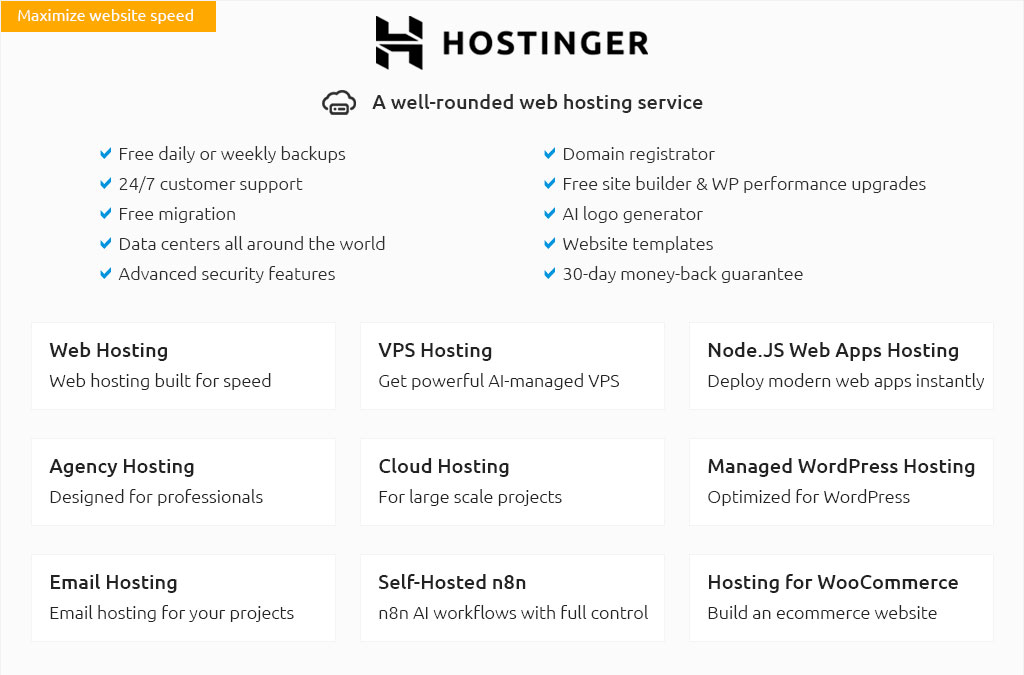
We offer several low price options to help you purchase a hosting plan that suits ... https://www.hostinger.com/web-hosting
Buying a web hosting plan with Hostinger is very simple scroll up to the ...
|
